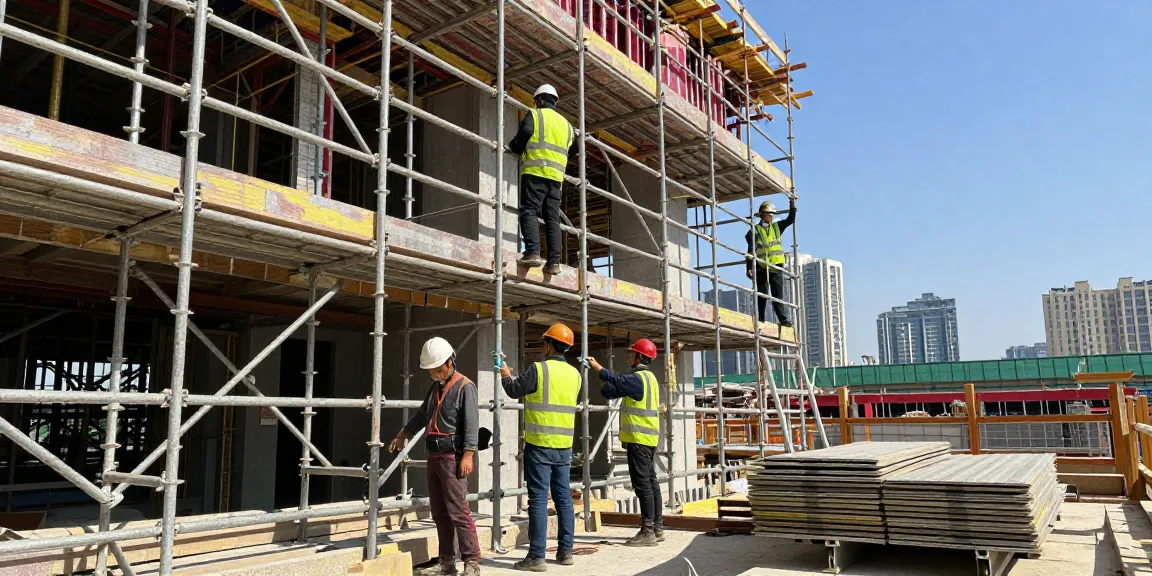
Understanding Commercial Scaffolding: A Primer
In the bustling realm of construction, scaffolding plays a pivotal role in ensuring that projects not only progress but do so safely and efficiently. Commercial scaffolding is essential for various applications, ranging from building renovations to complex industrial projects. This article will delve deeply into what commercial scaffolding entails, its significance, and the different types available to meet a wide array of construction needs.
What is Commercial Scaffolding?
Commercial scaffolding refers to temporary structures used to support workers and materials on construction sites. It provides a safe and stable environment, enabling workers to reach significant heights without compromising safety. The design of commercial scaffolding can vary widely based on the project requirements, including the type of building, the height of construction, and the particular tasks being performed.
The Importance of Scaffolding in Construction
The role of scaffolding cannot be overstated in the construction industry. It ensures that workers have the necessary support and safety measures in place when completing tasks at height. Moreover, scaffolding aids in:
- Increasing efficiency and productivity by providing easy access to different construction levels.
- Enhancing safety standards, significantly reducing the risk of accidents.
- Facilitating the transport of materials across various heights within the construction site.
Without effective scaffolding solutions, many projects would face delays, increased costs, and safety violations.
Key Types of Commercial Scaffolding Solutions
Understanding the various types of commercial scaffolding is crucial for selecting the right solution for your project. Here are some of the most commonly used types:
- Steel Scaffolding: Known for its high strength and durability, steel scaffolding is ideal for heavy-duty applications.
- Aluminium Scaffolding: Lightweight and easy to assemble, aluminium scaffolding is often used for projects requiring mobility.
- Mobile Scaffolding: This type includes wheels for easy movement, making it perfect for interior work or small jobs.
- System Scaffolding: A modular scaffolding system that allows for quick assembly and versatility on-site.
Planning Your Commercial Scaffolding Project
Effective planning is the cornerstone of any successful scaffolding project. Key components include assessing site conditions, understanding permits required, and coordinating with various stakeholders.
Essential Steps in Project Planning
To ensure smooth execution, consider the following steps during the planning phase:
- Define project scope and requirements.
- Conduct a thorough site assessment to identify potential hazards.
- Consult with experienced scaffolding professionals for accurate estimates.
- Coordinate with local authorities regarding scaffolding regulations and permits.
Assessing Site Conditions and Requirements
Before erecting scaffolding, it is vital to assess the specific conditions of the construction site. This involves evaluating:
- The terrain to determine stability.
- Weather conditions that might impact safety.
- Surrounding structures and their proximity.
Proper assessment helps in selecting the most appropriate scaffolding type and structure for the project.
Understanding Council Scaffolding Permits
Obtaining the necessary permits is critical to avoid legal issues. Most local councils require scaffolding permits before any installation. These permits are designed to ensure that scaffolding is erected in accordance with safety standards and local regulations, minimizing risks for both workers and the public.
Best Practices for Scaffolding Erection and Dismantling
Adhering to best practices during the erection and dismantling of scaffolding is essential for maintaining safety and structural integrity throughout the project.
Safety Standards in Scaffolding Practices
Ensuring a safe working environment includes following stringent safety protocols. Essential safety measures include:
- Regular training for all workers on safe practices.
- Utilizing proper personal protective equipment (PPE).
- Conducting daily inspections of the scaffolding structure.
Effective Erection Techniques for Stability
The stability of scaffolding is incredibly important. Some effective techniques involve:
- Securing scaffold frames to existing structures when necessary.
- Using cross-bracing for added support.
- Ensuring proper foundation placement to distribute weight evenly.
Best Practices for Safe Dismantling
Dismantling scaffolding requires just as much caution as its erection. Follow these practices to ensure safety:
- Systematically remove components while ensuring that the structure remains stable.
- Have a designated team responsible for overseeing the dismantling process.
- Conduct thorough inspections post-dismantling to ensure no hazards are left behind.
Advanced Scaffolding Techniques for Complex Projects
In complex commercial projects, advanced scaffolding techniques can greatly improve efficiency and safety.
Utilizing Edge Protection and Handrails
Edge protection is essential for any scaffolding project, particularly in high-rise buildings. Incorporating handrails and toe boards provides additional safety for workers, helping prevent falls and accidents.
Chimney Access Platforms: Design and Safety
When working on chimney repairs or inspections, specialized access platforms are critical. These platforms must be designed to support both weight and provide easy access without obstructing workflow. Safety features, including guardrails and stable footing, are also vital in their design.
Rapid Scaffolding Solutions for Time-Sensitive Projects
Projects that adhere to tight schedules may benefit from rapid scaffolding solutions. These are pre-fabricated systems that allow for quick assembly and disassembly, maximizing productivity while maintaining safety standards.
Future Trends in Commercial Scaffolding for 2026 and Beyond
As the construction industry evolves, so too do the techniques and technologies associated with scaffolding. Here are some anticipated trends for the coming years.
Emerging Technologies in Scaffolding Solutions
Technological advancements are set to revolutionize scaffolding practices. Innovations such as modular scaffolding systems, drone inspections, and 3D modeling for scaffold design will significantly enhance efficiency and safety.
Sustainability Practices in Scaffolding
The focus on sustainability is growing in the construction sector. Expect to see more eco-friendly scaffolding materials and practices that reduce waste and energy consumption, aligning with global sustainability goals.
Predicted Changes in Industry Regulations and Standards
As safety and environmental concerns continue to rise, changes in industry regulations are likely. Keeping abreast of these changes will be vital for scaffolding companies to ensure compliance and maintain competitive advantage.
What is commercial scaffolding used for?
Commercial scaffolding is widely used for various applications, including building renovations, new construction, and industrial projects. It provides crucial support for workers and materials at height.
How do I obtain scaffolding permits?
To obtain scaffolding permits, you must contact your local council or regulatory body. They will outline the necessary documentation and safety measures required for compliance.
What safety measures are essential during scaffolding?
Essential safety measures during scaffolding include proper training, the use of PPE, routine inspections, and securing the scaffolding structure adequately.
How does commercial scaffolding differ from residential?
Commercial scaffolding typically requires more robust materials and design features due to the complexity of projects and the height involved compared to residential scaffolding.
What are the best materials for scaffolding projects?
The best materials for scaffolding projects are generally steel and aluminium, as they offer the necessary strength and durability. The choice often depends on the project’s specific requirements.