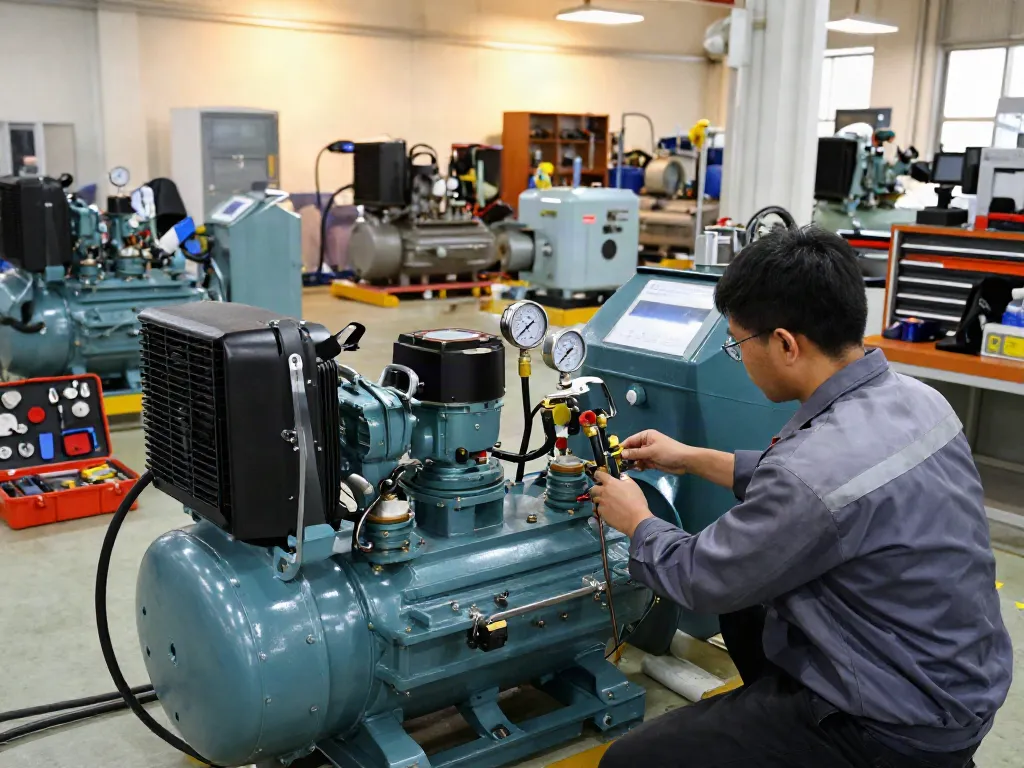
Understanding Air Compressor Pressure Switches
Air compressor pressure switches are critical components that control the operation of air compressor systems by regulating pressure automatically. By ensuring that pressure levels remain within designated thresholds, these devices help to enhance safety, efficiency, and longevity in both domestic and industrial applications. When exploring options, air compressor pressure switch models, it is essential to understand their mechanisms and benefits, as well as the various environments in which they operate.
What Is an Air Compressor Pressure Switch?
An air compressor pressure switch is an electromechanical device that monitors the air pressure within the compressor tank or plumbing system. Its primary function is to start or stop the compressor motor based on the pressure levels detected. When the pressure drops below a preset threshold (cut-in pressure), the switch activates the compressor, and when it exceeds another preset threshold (cut-out pressure), it deactivates the compressor to prevent over-pressurization.
How Air Compressor Pressure Switches Function
The operational mechanism of a pressure switch involves a diaphragm and a series of electrical contacts. When the air pressure exerts force on the diaphragm, it moves to either make or break the electrical connection, thereby controlling the power supply to the compressor motor. This cycle repeats continuously, maintaining the desired pressure levels in the system, while also helping to protect the compressor from damage due to excessive pressure.
Key Benefits of Using Quality Pressure Switches
Using high-quality pressure switches offers several advantages, including:
- Enhanced Safety: By preventing over-pressurization, quality switches protect both equipment and users.
- Energy Efficiency: Proper pressure management ensures that compressors operate only when necessary, saving on energy costs.
- Longevity: Durable construction materials reduce wear and tear, extending the life of the compressor and the switch itself.
- Reliability: Well-engineered switches maintain consistent performance, minimizing downtime and maintenance needs.
Applications of Air Compressor Pressure Switches
Air compressor pressure switches find application across various sectors, from manufacturing to agriculture, each requiring precise pressure management for optimal performance.
Pressure Switches in OEM Air Compressor Systems
Original Equipment Manufacturers (OEMs) often integrate pressure switches into new compressor models. These switches are designed to meet specific performance standards, ensuring compatibility and reliability. For instance, piston-type air compressors benefit from pressure switches that align with standard motor load specifications and pressure cycles, making them an ideal control unit for varying compressor sizes, from small workshops to large industrial installations.
Aftermarket Solutions for MRO and Equipment Maintenance
In the Maintenance, Repair, and Operations (MRO) sector, high-quality pressure switches serve as essential replacement parts. Given the high failure rates associated with lower-quality switches, having reliable replacements on hand is crucial for servicing common compressor brands in commercial garages and manufacturing plants. This broad compatibility makes the air compressor pressure switch a must-stock item, reducing equipment downtime and enhancing service efficiency.
Utilizing Pressure Switches in Water Pumping Systems
Pressure switches are equally important in water pumping systems, ensuring consistent water pressure in various applications, such as multi-story buildings, hotels, and agricultural irrigation. They work by automatically starting or stopping pumps based on preset pressure bands, which helps to manage water supply effectively. Moreover, they provide essential dry-run protection, safeguarding critical equipment like submersible and jet pumps from damage due to inadequate water supply.
Choosing the Right Air Compressor Pressure Switch
Selecting the appropriate air compressor pressure switch requires careful consideration of several factors to ensure optimal performance in your specific application.
Factors to Consider When Selecting a Pressure Switch
When choosing a pressure switch, consider the following aspects:
- Pressure Range: Ensure the switch can handle the operating pressure of your compressor.
- Electrical Ratings: Check the voltage and current ratings to match your system’s requirements.
- Compatibility: Ensure that the switch will be compatible with your existing compressor setup.
- Durability: Select switches made from high-quality materials for longevity, particularly in demanding environments.
Understanding Pressure Settings and Compatibility
Every pressure switch has two primary settings: cut-in and cut-out pressures. Understanding these settings is crucial to ensure that the switch operates correctly within the intended pressure range. It is equally important to assess compatibility with the compressor's operating specifications to prevent malfunction or damage.
Identifying Reliable Manufacturers in the Market
Choosing a reputable manufacturer for your pressure switches can significantly impact performance and reliability. Look for manufacturers that provide certifications, extensive product warranties, and robust customer service. Investing in trusted brands ensures better quality assurance and support for your pressure switch needs.
Implementing Air Compressor Pressure Switches Effectively
To maximize the benefits of air compressor pressure switches, proper installation and maintenance practices are essential.
Installation Best Practices for Pressure Switches
Install pressure switches according to the manufacturer’s guidelines to ensure proper functionality. Common best practices include:
- Mounting the switch in a vibration-free area to avoid mechanical wear.
- Ensuring all connections are tightened to prevent leaks.
- Positioning the switch within the pressure range of the system.
Common Challenges and How to Overcome Them
Challenges with pressure switches can include incorrect pressure settings, wire corrosion, and mechanical failures. Regularly check and calibrate pressure switches to ensure accurate readings. Replace any corroded wiring, and inspect for any signs of wear, which can signal the need for replacement.
Maintenance Tips for Longevity and Performance
Routine maintenance is vital for the longevity of pressure switches. Here are a few tips:
- Regularly clean the switch to remove dust and debris.
- Periodically inspect and tighten connections.
- Test the performance of the switch periodically to ensure it responds correctly to pressure changes.
Future Trends in Air Compressor Pressure Switch Technology
As technology evolves, air compressor pressure switches are also set to undergo significant changes, driven by new innovations and market demands.
Emerging Technologies and Innovations for 2026
By 2026, we can expect to see further advancements in pressure switch technologies, including the integration of smart sensors that provide real-time data analytics and predictive maintenance capabilities. These innovations will enhance system efficiency, reduce costs, and extend equipment lifespans.
Impact of IoT and Automation on Pressure Switches
The Internet of Things (IoT) is poised to revolutionize the way pressure switches operate. Automated systems that provide remote monitoring and control will enable predictive maintenance, allowing operators to address potential issues before they lead to equipment failures. This level of automation will enhance the efficiency of air compressor systems significantly.
Predictions for Market Demand and Applications
The demand for air compressor pressure switches is expected to grow alongside the increasing reliance on automated and efficient systems across various industries. As businesses seek to cut costs and improve performance, the importance of high-quality pressure management in air compressor systems will only increase. Sectors such as manufacturing, construction, and agriculture will continue to require innovative solutions that ensure reliable operation and safety.
How do I know if my air compressor pressure switch is bad?
Signs of a failing pressure switch can include irregular compressor operation, the motor not starting, or constant cycling of the compressor. If you notice any of these issues, testing the pressure switch for calibration and functionality is essential.
How do I adjust an air compressor pressure switch?
Adjusting a pressure switch typically involves turning the adjustment screws for the cut-in and cut-out pressures. Start by referring to the manufacturer’s instructions for specific guidance on settings.
Does an air compressor need a pressure switch?
Yes, an air compressor requires a pressure switch to operate safely and efficiently. The switch prevents over-pressurization and controls the compressor's operation, ensuring it only runs when needed.
How to reset compressor pressure switch?
Resetting a compressor pressure switch usually involves unplugging the compressor and waiting for a few minutes before plugging it back in. Consult the user manual for specific reset procedures.
What are the signs of a failing pressure switch?
In addition to irregularity in compressor operation, other signs include visible wear on the switch, unusual noises during operation, or leaks. Regular monitoring can help detect these issues earlier to prevent significant damage.