Understanding Architectural Glass Flooring
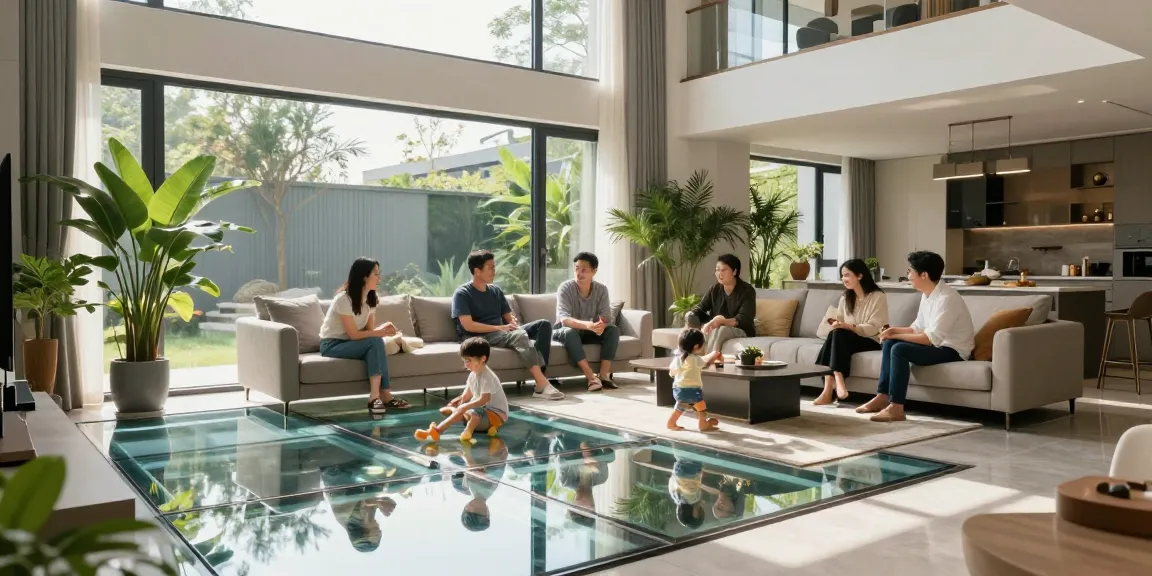
Architectural glass flooring is a revolutionary design element that is gaining popularity in modern residential spaces. As homeowners seek ways to enhance aesthetic appeal and create open, airy environments, glass flooring provides a stunning solution that combines beauty with functionality. This innovative flooring type not only offers a unique visual aspect but also allows natural light to permeate living spaces, creating an inviting atmosphere. When exploring options, architectural glass flooring provides comprehensive insights into its advantages and uses.
What is Architectural Glass Flooring?
Architectural glass flooring refers to the use of specially engineered glass panels as a flooring material. Unlike traditional flooring options, glass flooring can be utilized not only in homes but also in commercial spaces, enhancing the overall design. These panels are designed to be structurally sound and can bear significant weight, making them suitable for various applications. Typically, architectural glass flooring is made from tempered or laminated glass, providing strength and safety features that are essential for residential use.
Benefits of Using Architectural Glass Flooring
- Aesthetics: Glass flooring elevates the overall design of a home, imparting a contemporary and luxurious look.
- Light Transmission: By allowing natural light to flow through spaces, glass flooring can make areas feel larger and more vibrant.
- Versatility: Glass can be used in diverse environments, from bathrooms and kitchens to living rooms and outdoor patios.
- Durability: Engineered glass flooring is designed to withstand wear and tear, making it a long-lasting choice for homeowners.
Common Misconceptions About Glass Flooring
Despite its many advantages, architectural glass flooring is often misunderstood. One common misconception is that it is fragile; however, modern glass flooring solutions are designed to be incredibly durable. Additionally, some homeowners fear that glass flooring could complicate maintenance or safety. In reality, with proper care and installation, glass flooring can be as safe and easy to maintain as traditional materials.
Designing with Architectural Glass Flooring
Incorporating Glass Flooring in Various Spaces
When it comes to incorporating glass flooring into your home, creativity knows no bounds. Glass can be used in various applications, from stunning entryways that set the tone for the rest of the home to beautiful outdoor terraces that blur the line between indoor and outdoor living. Additionally, glass flooring can work well in areas like basements or commercial spaces that require a contemporary feel.
Complementary Design Elements for Glass Flooring
To maximize the impact of architectural glass flooring, pairing it with the right design elements is crucial. Consider integrating natural stone, wood, or metal accents surrounding the glass to provide contrast and depth. Soft furnishings, such as plush area rugs or couches, can also help warm the space and create a cozy environment while ensuring that the glass remains the focal point.
Color and Texture Choices for Surrounding Decor
The colors and textures chosen for the decor surrounding glass flooring can significantly affect the overall ambiance. Light, neutral tones tend to complement glass nicely, enhancing the feeling of openness. Textured fabrics and materials can add a layer of warmth, making the space more inviting. Additionally, the use of greenery and natural elements can help frame the glass flooring beautifully, bringing the outdoors in.
Practical Considerations for Homeowners
Maintenance and Care for Glass Flooring
One of the primary concerns regarding architectural glass flooring is maintenance. Fortunately, keeping glass floors clean is relatively straightforward. Regular sweeping and damp mopping with a gentle cleanser can keep the surface free from dirt and grime. It is advisable to avoid harsh chemicals that could harm the sealants used in the glass panels.
Cost Analysis: Glass Flooring vs. Traditional Options
Investing in architectural glass flooring can come with a higher upfront cost compared to traditional flooring materials. However, it's essential to consider the long-term benefits. Glass flooring can enhance property value and offer longevity, reducing the need for replacements and extensive repairs. When evaluating the costs, factor in energy efficiency benefits gained from increased natural light and potential savings on electricity bills.
Safety Features and Considerations
Safety is always a top priority when considering flooring options. Architectural glass flooring is designed with safety in mind. Tempered or laminated glass not only holds up under pressure but also shatters into small pieces rather than sharp shards if broken, reducing the risk of injury. Additionally, homeowners should ensure that proper installation practices are followed to maximize safety and durability.
Case Studies: Successful Implementations
Residential Projects Featuring Architectural Glass Flooring
Numerous residential projects have successfully integrated architectural glass flooring, showcasing its versatility and aesthetic appeal. For instance, a modern home in London featured a staircase made entirely of glass, creating a stunning visual effect that allowed light to flow between levels. Another project highlighted how glass flooring in a sunroom expanded the connection to the garden, enhancing the home's natural elements.
How Glass Flooring Transformed Open Spaces
Open concept designs benefit enormously from the use of architectural glass flooring. By incorporating glass in entryways or large living areas, homeowners can create an illusion of more space while maintaining separation between different functional zones. In one case study, a family transformed their outdoor patio into an extension of their indoor living space by using glass flooring that seamlessly blended the two environments.
Expert Insights on Client Preferences and Outcomes
Design experts note that homeowners are increasingly leaning toward sustainable and aesthetically pleasing materials like architectural glass flooring. Many clients report feeling more connected to their surroundings due to the natural light and visibility that glass flooring provides. This feedback reinforces the trend towards incorporating glass in modern home design as a means to improve overall quality of life.
Future Trends in Glass Flooring Design
Innovations in Architectural Glass Flooring Technologies
The world of architectural glass flooring is continuously evolving. Upcoming innovations include advancements in smart glass technology, which can change opacity or color based on environmental conditions. This technology not only provides privacy when needed but also enhances energy efficiency by regulating heat and light transmission.
Global Trends Influencing Glass Flooring Choices
As sustainability becomes a central focus in design, more homeowners and architects are turning to eco-friendly materials. The preference for recycled glass flooring options is growing, as it aligns with the desire for environmentally responsible building materials while still offering the beauty and functionality of traditional glass.
Predictions for Home Design in 2026 and Beyond
Looking ahead to 2026, it is clear that the trend of incorporating architectural glass flooring in residential spaces will only increase. As homeowners prioritize light-filled, open spaces that foster a connection to nature, glass flooring offers the ideal solution. Advances in technology, design, and sustainability will certainly shape the future of glass flooring applications, making it a staple in modern architecture.