The Enduring Appeal of Victorian Floor Tiles
Victorian floor tiles carry with them an undeniable charm, embodying a blend of sophistication and durability that has captivated homeowners, designers, and architects alike. Originally made popular during the Victorian era, these tiles have seen a resurgence in modern design, appealing to those who appreciate their historical significance and aesthetic qualities. As we venture into 2026, the allure of Victorian floor tiles remains strong, promising to add a touch of classic elegance to both residential and commercial spaces. When exploring options, Victorian floor tiles provide comprehensive insights into their versatility and timeless beauty.
What Makes Victorian Floor Tiles Timeless?
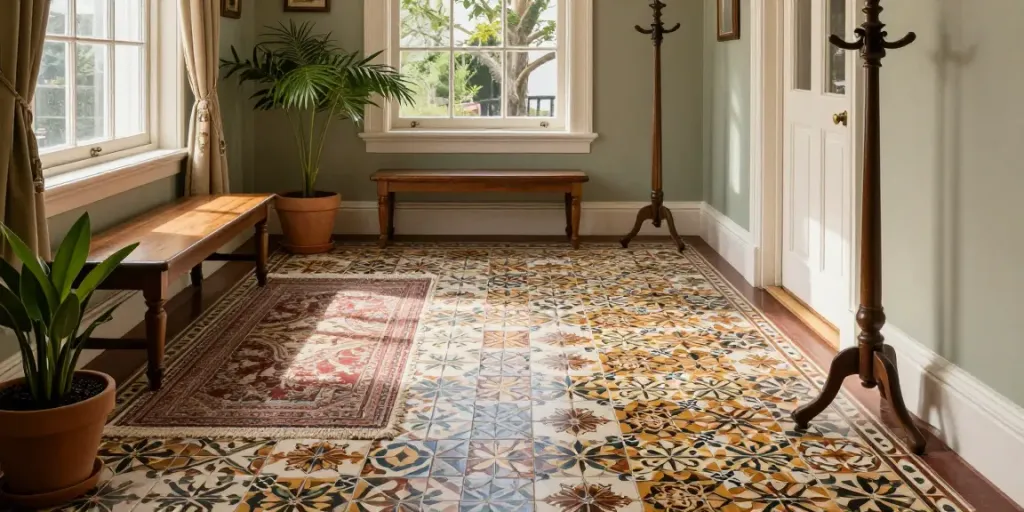
Victorian floor tiles are renowned for their intricate patterns and vibrant colors, which are achieved through traditional hand-pressed techniques. Their timelessness lies not only in their visual appeal but also in their ability to complement a variety of design styles, from classic to contemporary. The distinct geometric patterns found in these tiles tell stories of craftsmanship and art, making each installation a unique expression.
Moreover, the materials used in Victorian floor tiles—typically ceramics and encaustics—offer excellent durability, resistance to wear, and are relatively easy to maintain, which further enhances their timeless status. Their ability to withstand heavy foot traffic makes them particularly well-suited for high-use areas in both homes and businesses.
Historical Significance and Aesthetic Qualities
The Victorian era (1837-1901) was a time of great innovation and aesthetic expression, and the culture of tile-making flourished during this period. Tiles were often used to create stunning mosaics in hallways, kitchens, and public spaces, reflecting the era's fascination with art and design. The revival of Victorian tiles today taps into this rich history, allowing homeowners to connect with a bygone era while enjoying modern comforts.
Aesthetically, Victorian tiles feature a variety of colors and patterns, from classic black-and-white checkerboards to vibrant multi-colored encaustics. This diversity enables designers to create captivating focal points within rooms or harmonize the overall theme of a space.
The Fusion of Elegance and Durability
Victorian tiles are not only elegant but also robust enough to handle the demands of modern life. With advancements in manufacturing, modern iterations of these tiles have enhanced features such as stain resistance and fade-resistance to ensure that their original beauty lasts for years. This fusion of elegance and durability makes them ideal for various applications—from traditional to contemporary settings.
Additionally, as environmental concerns grow, many manufacturers are turning to sustainable practices that not only reduce waste but also offer eco-friendly options for consumers. This trend not only preserves the environmental integrity of our spaces but also aligns with contemporary consumer values.
Modern Applications of Victorian Floor Tiles
Revival in Contemporary Design Trends
The resurgence of interest in vintage styles has led to a renewed appreciation for Victorian floor tiles in contemporary design. Today, these tiles are used in eclectic homes, trendy cafes, and boutique hotels, effectively bridging the gap between historical charm and modern functionality. Designers are employing Victorian tiles in unexpected ways, such as in powder rooms or as accent walls, providing a striking contrast to minimalist decor.
Victorian Tiles in Homes: Living Rooms and Kitchens
Victorian floor tiles excel in areas typically bustling with activity, such as living rooms and kitchens. In living rooms, they can create a stunning entryway or act as a beautiful backdrop for furniture arrangements. Their patterns can add warmth and character, making a space inviting and dynamic.
In kitchens, Victorian tiles work well as flooring or as a decorative backsplash, providing a timeless quality that complements modern fixtures while evoking nostalgia. The variety in color and design allows homeowners to select tiles that align with their personal style, whether it's rustic farmhouse or chic urban.
Using Victorian Floor Tiles in Commercial Spaces
Commercial spaces benefit greatly from the use of Victorian tiles, as they can create a unique brand identity and atmosphere. Cafes, restaurants, and retail stores utilizing these tiles can captivate customers with their aesthetic appeal and durability. Many establishments incorporate Victorian tiles in entranceways or dining areas, encouraging foot traffic and enhancing the overall customer experience.
Moreover, the ease of maintenance associated with these tiles makes them a sensible choice for high-traffic areas, ensuring they remain attractive despite heavy use.
Choosing the Right Victorian Floor Tiles for Your Space
Styles, Colors, and Patterns Explained
Choosing the right Victorian floor tiles requires careful consideration of styles, colors, and patterns to ensure they suit your intended space. You should contemplate the overall theme of your home or commercial area; many Victorian tiles come in traditional geometric patterns that can fit seamlessly into classic settings, while others offer bolder, more modern designs.
Common patterns include herringbone, checkerboard, and floral motifs. Selecting complementary colors can also enhance the overall visual effect—darker hues can create a dramatic statement, while lighter tones can brighten up a space and create an illusion of spaciousness.
How to Assess Quality and Authenticity
When investing in Victorian floor tiles, assessing quality and authenticity is crucial. Genuine Victorian tiles are often crafted through traditional methods and may feature slight imperfections that add to their charm. Look for reputable suppliers who provide detailed information about the provenance of their tiles, including whether they are original antiques or modern reproductions.
Additionally, examining the tile’s thickness and weight can indicate quality. Thicker tiles made from high-quality materials are typically more durable and resistant to cracking or chipping.
Budgeting for Victorian Floor Tile Projects
Budgeting for a Victorian floor tile project involves considering the cost of materials, installation, and long-term maintenance. Prices can vary widely based on the tile's design, material, and authenticity. It’s wise to get multiple quotes from contractors and suppliers to find a balance between quality and cost. Factor in the long-term savings associated with durability and low maintenance when making your decision.
Installation and Maintenance of Victorian Floor Tiles
Step-by-Step Installation Guide
Installing Victorian floor tiles can be a complex process that requires attention to detail. Here’s a simplified step-by-step guide:
- Preparation: Ensure the subfloor is clean, dry, and level. Any imperfections should be addressed before installation.
- Layout: Plan the tile layout to minimize cuts and waste. Use chalk lines for guidance.
- Adhesive Application: Apply the appropriate adhesive to the subfloor using a notched trowel, ensuring even coverage.
- Laying Tiles: Begin placing tiles according to your pre-planned layout, pressing firmly to ensure adhesion.
- Grouting: Once the tiles are set, allow them to dry. Then apply grout, ensuring it fills all joints. Clean excess grout from the tile surface before it sets.
- Sealing: Depending on the tile material, you may need to apply a sealant to protect against stains and moisture.
Best Practices for Cleaning and Care
To maintain the beauty of Victorian floor tiles, regular cleaning and care are essential. Here are some best practices:
- Regular Sweeping: Sweep or vacuum regularly to remove dirt and debris.
- Mild Cleaners: Use pH-neutral cleaners for mopping; avoid harsh chemicals that can damage the glaze.
- Immediate Spill Treatment: Clean any spills immediately to prevent staining, especially on porous tiles.
- Periodic Sealing: Depending on the tile type, reseal every few years to maintain protection against moisture.
Common Mistakes to Avoid During Installation
When installing Victorian floor tiles, avoid these common pitfalls:
- Improper Subfloor Preparation: Ensure the subfloor is completely level.
- Ignoring Manufacturer Instructions: Always follow the manufacturer’s guidelines for specific tile types.
- Neglecting Expansion Joints: Allow for expansion and contraction by incorporating necessary joints.
- Rush the Process: Take your time during installation, particularly with layout and cutting tiles.
Future Trends for Victorian Floor Tiles
Innovative Designs and Sustainability Practices
The future of Victorian floor tiles is bright, with innovative designs emerging that blend tradition with modern aesthetics. We can expect to see more customizable options and innovative production methods focusing on sustainability. Manufacturers are converting to eco-friendly materials and processes, aligning with consumers' growing demand for sustainable products.
Additionally, technology advancements allow for the creation of tiles that mimic traditional designs while providing enhanced durability and lower maintenance.
Predictions for the Market in 2026 and Beyond
As we look towards 2026, the Victorian floor tile market is predicted to expand as more homeowners and businesses recognize their elegance and versatility. We will likely see further integration of these tiles in design schemes, particularly as retro and vintage themes continue to trend in interior design.
Expect an increase in educational resources about Victorian tiles, enhancing consumer understanding of their benefits and applications in modern spaces.
Expert Insights: What's Next for Victorian Tiles?
Industry experts suggest that the next wave of Victorian tiles will involve innovative patterns and textures that challenge traditional designs. Emerging trends may include the incorporation of mixed media with tiles, such as wooden accents or glass elements, creating a multi-dimensional effect that adds interest and depth.
How to Incorporate Victorian Designs into Modern Living?
Incorporating Victorian designs into modern living can be achieved through strategic placements and accents. Consider using Victorian floor tiles as a striking entryway or as a backsplash in kitchens to create focal points in otherwise minimalist environments. Pairing these tiles with contemporary furniture and décor can create a unique juxtaposition that breathes new life into classic designs.
Ultimately, the versatility of Victorian floor tiles allows them to shine amid modern aesthetics, proving their lasting appeal and relevance in today's design landscape.