Understanding Felt Roof Replacement
Felt roofing systems have been popular in the construction industry for decades, primarily due to their affordability and versatility. When the time comes for a felt roof replacement, homeowners may feel overwhelmed by the choices and processes involved. This article aims to provide comprehensive insights into the felt roof replacement process, why it’s essential, and what homeowners can expect when engaging with local roofing specialists. When exploring options, felt roof replacement provides comprehensive insights and local connections.
What is Felt Roof Replacement?
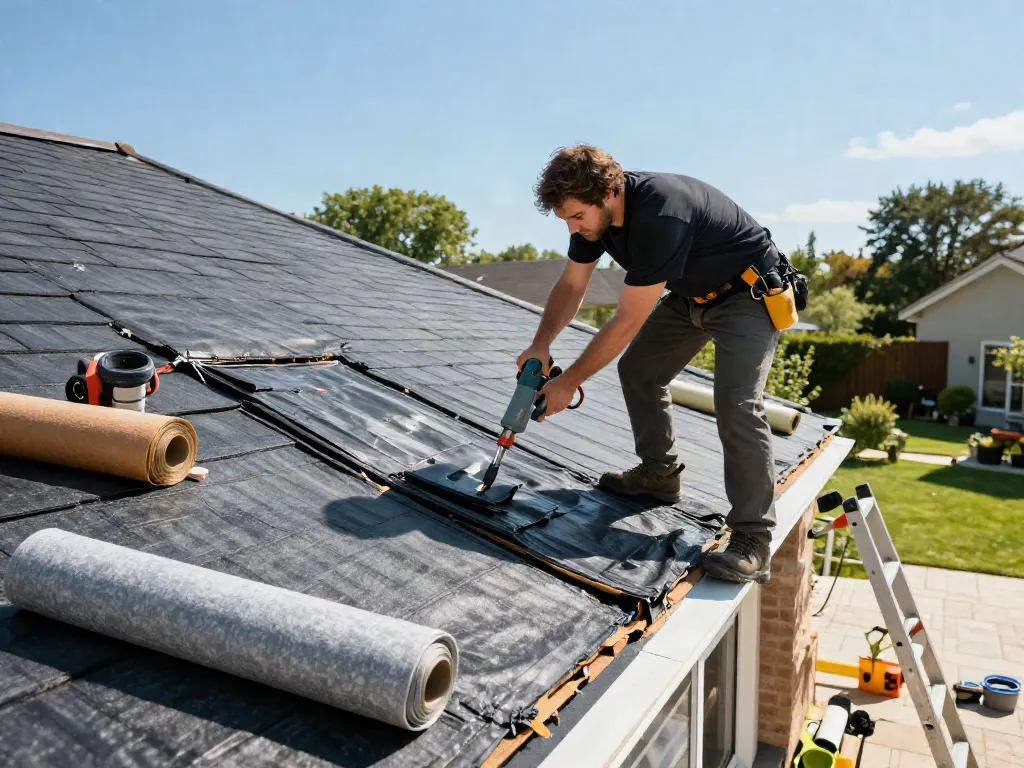
Felt roof replacement refers to the process of removing an existing felt roofing system and installing a new one. This might be necessary due to wear and tear, damage from weather elements, or simply an upgrade to a more modern roofing solution. The process involves stripping the old felt, inspecting the deck for damage, and laying down new felt or an alternative material that offers better performance and longevity.
Common Reasons for Replacement
- Age and Wear: Most felt roofs last around 10 to 20 years. Over time, they may develop cracks, blisters, or leaks, necessitating a complete replacement.
- Improper Installation: If the original felt roofing was not installed correctly, it could lead to premature failure and water damage.
- Severe Weather Damage: Inclement weather, such as heavy rainfall or snowfall, can lead to significant damage, pushing homeowners to consider replacements instead of repairs.
Differences in Replacement Techniques
Different roofing contractors may employ various techniques for felt roof replacement. Some may use traditional felt methods, while others may opt for modern materials like EPDM or rubberized systems that provide enhanced durability and weather resistance. Understanding these differences will help homeowners make informed decisions and select the right contractor for their needs.
Evaluating Costs and Budgets
Understanding the costs associated with felt roof replacement is vital for homeowners to prepare their budgets adequately. Factors such as the size of the roof, the materials used, and labor costs play a significant role in determining the overall expense.
Factors Influencing Felt Roof Replacement Costs
- Size of the Roof: Larger roofs require more material and labor, increasing overall costs.
- Quality of Materials: Investing in high-quality felt or alternative materials will affect the initial costs but can save money in the long run through durability.
- Accessibility: If a roof is difficult to access, it could increase labor costs due to the added time and effort needed for installation.
Comparing Quotes from Local Roofers
Before committing to a roofing contractor, it's wise to collect multiple quotes to compare not just price but the scope of work included. Check for details such as materials used, warranty offered, and timelines for completion. This ensures that homeowners can find the best balance between cost and quality.
Long-Term Budgeting for Roof Maintenance
Planning for roof maintenance after replacement is equally important. Homeowners should factor in regular inspections and upkeep, which can prevent minor issues from escalating into major repairs.
Choosing the Right Materials
The choice of materials is crucial in determining the longevity and effectiveness of a felt roofing system. Various materials offer different benefits and drawbacks, making it essential for homeowners to understand their options.
Modern Felt Roofing System Options
Today’s felt roofing options have evolved significantly. Modern systems often include multiple layers of felt, torch-on variants with improved bonding, and eco-friendly materials that enhance sustainability. Homeowners should consult with their roofing contractors to select the most suitable option based on their property’s needs.
Environmental Impacts of Roofing Materials
In an age of increasing environmental consciousness, it’s essential to consider the ecological impact of roofing materials. Many modern options emphasize sustainability, featuring recycled contents or materials that contribute to energy efficiency.
Assessing Durability and Lifespan of Felt Roofs
The lifespan of a felt roof varies depending on the quality of materials used and the installation process. Higher quality materials and professional installation can extend the roof’s life significantly, making them a worthwhile investment for homeowners.
Finding Reliable Roofing Specialists
Finding trustworthy and experienced roofing contractors is a critical step in the replacement process. Homeowners should prioritize finding specialists who can demonstrate their expertise and reliability.
Importance of Insurance and References
When selecting roofing contractors, it’s essential to ensure that they carry appropriate insurance and can provide references from previous clients. This not only protects homeowners from potential liability issues but also offers insight into the contractor's reliability and quality of work.
How to Verify Roofer Credentials
Homeowners should check their prospective roofers’ credentials, including licensing, insurance, and any relevant certifications. Additionally, reading reviews and testimonials from prior clients can help gauge the contractor’s reputation.
Questions to Ask Before Hiring a Roofer
Before making a hiring decision, homeowners should have a list of questions ready for potential contractors. Inquiries about their experience with similar projects, the materials they recommend, and warranty details can clarify expectations and facilitate better communication.
Preparing for Your Replacement Project
Once a contractor is chosen, homeowners should prepare for the replacement project to ensure a smooth process. Being informed helps mitigate any potential issues that could arise during the replacement.
What to Expect During the Replacement Process
The replacement process typically involves several stages: initial consultation, removal of old materials, inspection of roofing structures, installation of new felt, and final inspection. Homeowners should stay engaged throughout each phase to address any concerns immediately.
Protecting Your Home During Renovation
During the replacement process, homeowners should take precautions to protect their homes, such as moving valuables away from the work area and ensuring that pets are kept safe.
Planning for a Smooth Project Timeline
Effective communication with the contractor about timelines can help homeowners plan their schedules accordingly. It’s wise to have discussions about weather considerations that may affect the project’s duration.
Frequently Asked Questions
Can I refelt a roof myself?
While refelting a roof can be a DIY project for some handy homeowners, professional help is often recommended to ensure proper installation and avoid potential pitfalls.
What is the life expectancy of a felt roof?
The life expectancy of a well-installed felt roof typically ranges from 10 to 20 years, depending on the materials used and maintenance performed.
Should you remove old felt when replacing a roof?
In most cases, it is advisable to remove the old felt to inspect the underlying structure for damage and ensure a secure installation of the new roofing system.
Can you put new felt on top of old felt?
While it is possible to place new felt over old felt, this practice is not recommended due to potential moisture traps and the risk of future complications.